

25 Original Artists Behind Viral Designs—and Why Finding the Original Matters
The short answer
Original viral designs usually begin with a specific person, not an anonymous trend. This guide introduces 25 independent artists and creator-led businesses behind recognizable work, with direct links to the artists and reporting or documentation where copying has been publicly discussed.
- Who created Shake-A-Shelf? Massachusetts artist Scott Caz created the original named Shake-A-Shelf series in December 2022 and still makes the current collection by hand.
- Where can you support the originals? Every profile below links to the artist, their shop, or the best verified source currently available.
- Why does finding the original matter? Buying from the creator supports the years of experimentation, labor, and risk behind the idea.
If you have ever searched for an anxiety bookshelf, a viral piece of art, or an unusual handmade gift and wondered, Who actually came up with this?—you are asking the right question.
I started Shake-A-Shelf in Massachusetts in December 2022 with a strange little idea: build a miniature bookshelf, fill it with tiny loose books, and deliberately let people shake the thing into chaos. The books were not supposed to stay perfect. That was the point.
What began as one handmade shakable miniature bookshelf eventually spread far beyond my studio. Similar products began appearing online under names such as “anxiety bookshelf,” “fidget bookshelf,” and “miniature bookshelf,” often with no connection to the original artist or story. I am very far from the only artist this has happened to.
Independent artists regularly watch an original design go viral, only to find remarkably similar versions appearing through major retailers, fast-fashion companies, marketplaces, and mass-produced shops. Sometimes the artist gets a copy removed. Sometimes the artist pursues legal action. Sometimes all they can realistically do is tell people where the work actually came from.
So instead of giving more attention to the copies, here are 25 independent artists and creator-led businesses behind original work worth knowing—and supporting.
1. Scott Caz — Shake-A-Shelf

Yep. I am putting myself first. I made the list.
I created the first Shake-A-Shelf in Massachusetts in December 2022: an interactive miniature wooden bookshelf filled with loose tiny books that could be shaken, scattered, reorganized, or simply left in complete disarray. Today, phrases such as “anxiety bookshelf,” “shakable bookshelf,” and “fidget bookshelf” are used around the internet for similar objects. Shake-A-Shelf is the original named series behind my work, and I still make the current collection by hand.
Every current shelf is signed and numbered. The miniature shelving is handmade from wood, and every tiny book is individually folded by hand. If you encountered a cheap mass-produced “anxiety bookshelf” and wondered where the phenomenon began, you found the artist.
Shop the original Shake-A-Shelf →
Read the original Shake-A-Shelf story →
2. Tuesday Bassen — Tuesday of California

Tuesday Bassen is an illustrator, designer, and founder whose bold figures, cheeky patches, clothing, and accessories helped define a whole strain of independent internet-era style. The personality in the work is unmistakably hers: funny, defiant, a little rebellious, and grounded in drawing rather than trend-chasing.
Bassen became one of the best-known independent artists to publicly challenge a major retailer after accusing Zara of reproducing several of her pin and patch designs. Her experience helped expose the wildly uneven contest between a working artist and a global company—and helped shoppers learn to look for the name behind the image.
3. Olivia Mew — Stay Home Club

Olivia Mew turned delightfully melancholy illustration into Stay Home Club, a Montreal brand for people who understand that being tired, awkward, cautious, or emotionally overprepared can still look excellent on a patch. Mew has designed the brand’s in-house merchandise since its beginning in 2012, expanding her visual language across apparel, blankets, stationery, pins, and accessories.
Her work was among the independent designs reported in coverage of mass retailers reproducing small artists’ imagery. The original is not simply a slogan: it is a decade-plus body of illustration and product design with a real person and studio behind it.
Shop Stay Home Club →
Explore Olivia Mew’s product-design portfolio →
4. Adam J. Kurtz — Adam JK

Artist, author, and designer Adam J. Kurtz makes emotionally honest objects that live somewhere between a pep talk and an existential shrug. His books, planners, ceramics, accessories, and small paper goods turn ordinary feelings into useful, funny art without sanding away the uncomfortable parts.
After finding his work among designs attributed to Zara, Kurtz helped turn frustration into a resource. His “Shop Art Theft” project redirected attention toward independent artists behind the originals—the exact spirit of this guide.
Shop Adam JK →
Read about the artists and the original-work directory →
5. Tiina Menzel — The Skeleton and the Cat

Tiina Menzel’s wonderfully strange world pairs the macabre with the tender: shy skeletons, expressive cats, precise line work, and a surprising amount of warmth. What started as distinctive illustration has grown into The Skeleton and the Cat, including prints, merchandise, and a published book.
Menzel has documented unauthorized versions of her illustrations appearing on products sold by major online retailers. Her work is a perfect example of why attribution matters: “a skeleton and a cat” may sound like a simple premise, but Menzel built an entire emotional universe from it.
Visit The Skeleton and the Cat →
Meet the artist and see her process →
6. Ilse Valfré — Valfré

Mexican artist Ilse Valfré built an unmistakable visual world around surreal, fashionable characters who are glamorous, exhausted, defiant, and often surrounded by cats. Her practice spans original paintings, murals, prints, collectible figures, books, and objects, all tied together by a voice recognizable at a glance.
Valfré’s work has also been at the center of disputes involving allegedly unauthorized reproductions sold by fashion companies. Buying through the artist’s own shop supports the long-running body of work behind the familiar aesthetic.
Shop Valfré’s original art and objects →
Read the reported story →
7. Jay Baron — Retrograde Supply Co.

Jay Baron makes patches, stickers, hats, and other “coping mechanisms” under Retrograde Supply Co. The brand’s writing is the hook—funny, anxious, painfully relatable observations—but the design system around those phrases is equally important: compact, legible, and built to travel on jackets and bags.
Baron alleged that a version of his popular “Hello, I’m Trying My Best” name-tag artwork was reproduced by Shein. The genuine version remains a small, affordable way to support the person who made the idea resonate in the first place.
Shop Retrograde Supply Co. →
Read broader reporting on artists’ infringement claims →
8. Alexandria Masse

Alexandria Masse pushes crochet beyond clothing and craft into exuberant soft sculpture. Her work includes giant insects, monumental wearable pieces, detailed tapestries, and forms that turn fiber into something architectural, humorous, or politically pointed.
A spectacular crocheted dragon hat helped her work reach a huge online audience. Inexpensive versions were subsequently reported across mass-market ecommerce listings—a familiar pattern in which the labor-intensive original becomes source material for products divorced from the artist and process.
Explore Alexandria Masse’s work →
Read the documented case study →
9. Jeremy Ayers

Vermont ceramicist Jeremy Ayers makes utilitarian pottery meant to become part of daily life. His striped, accordion-shaped mugs are especially distinctive: playful in silhouette, comfortable in the hand, and thrown one at a time rather than designed for anonymous mass production.
After a strikingly similar mug appeared at Anthropologie, Ayers and his supporters publicly challenged the retailer. The product was removed, and the company later said it would withdraw the mug from inventory “out of respect” for him as an individual designer. The original remains connected to a working studio and years of practice.
10. Kelsie Cosmic

Australian illustrator, mural painter, and designer Kelsie Cosmic creates vivid psychedelic worlds filled with mushrooms, celestial symbols, plants, color, and an almost tactile sense of movement. Her work travels across prints, painted earrings, journals, decks, murals, and commissions without losing its unmistakable atmosphere.
Cosmic reported finding her mushroom artwork reproduced on inexpensive clothing and home goods sold through large marketplaces. Her own shop is the direct route to the artist, her evolving practice, and the objects she actually chose to make.
11. Tank — Tank Art

Australian artist Tank makes surreal paintings that turn familiar life into strange visual narratives—dream logic, absurd juxtapositions, dark humor, and vivid detail. The work asks to be examined rather than scrolled past, and Tank’s Shepparton gallery gives that imaginative world a physical home.
His work The Complexity of Being later appeared as copies and printed reproductions on online marketplaces without authorization, according to reporting by ABC. The artist’s own shop and gallery remain the place to see the real body of work.
12. Julie Aldridge — Joolz Mosaicart
South Australian mosaic artist Julie Aldridge created Sunset Wave from thousands of carefully placed pieces, building a luminous ocean scene with motion, texture, marine life, and a bright setting sun. The finished work has the kind of immediate appeal that travels easily online—but the technique and physical labor cannot be reduced to a thumbnail.
Aldridge has spent years battling reproductions of the image on rugs, quilts, canvases, coloring pages, and other products. Her experience shows how losing attribution can transform one artwork into an endlessly copied “design” while the artist is forced to keep proving where it began.
13. Charlene Kolesnik — Charkole Designs

Calgary artist Charlene “Char” Kolesnik makes expressive, color-driven landscapes and wildlife paintings inspired by the Canadian Rockies. Rather than aiming for photographic neutrality, she uses intensified light and color to communicate the emotional memory of a place.
Kolesnik discovered her Three Sisters painting offered as wall décor without her authorization. Her official shop offers original paintings, prints, sold-work archives, and commissions—the full practice behind an image that might otherwise arrive online without context.
14. Leora Aileen

Leora Aileen is a visual artist and writer whose work is deeply connected to books, reading culture, and storytelling. Her illustrations, bookmarks, sleeves, accessories, videos, and writing make her especially at home in this guide: she understands that books can be both objects and portals.
Her popular “The Reader” tote design reportedly appeared on multiple discount ecommerce platforms after gaining attention. Visiting her own site restores the person, portfolio, and wider creative practice that a copied listing strips away.
15. Lauren Sissons — Lauren Sissons Studio

Lauren Sissons creates cheerful modern illustration for children and families: art prints, wall stickers, cards, books, stationery, and playful learning objects. Her work balances simplicity with the small visual details that make a nursery, reading nook, or child’s room feel considered rather than generic.
Sissons has reported finding both her illustrations and her product photography in unauthorized marketplace listings. That second part matters: copying can take not only the artwork, but also the time, staging, and business infrastructure an independent studio built to sell it.
16. Elizabeth Harbour — Elizabeth Harbour Designs

British illustrator Elizabeth Harbour creates folk-art-inspired cards, wooden hanging decorations, ornaments, prints, and small dimensional objects. The charm comes from the meeting of illustration and object-making: the pieces feel like tiny characters and traditions rather than interchangeable seasonal décor.
Harbour discovered versions of several bestselling designs offered through mass-market ecommerce sellers. Her own shop makes the provenance wonderfully clear: a Royal College of Art–trained illustrator, a rural Kent studio, and products made in the UK.
17. Natalie Ramsell-Lee — I Am Nat
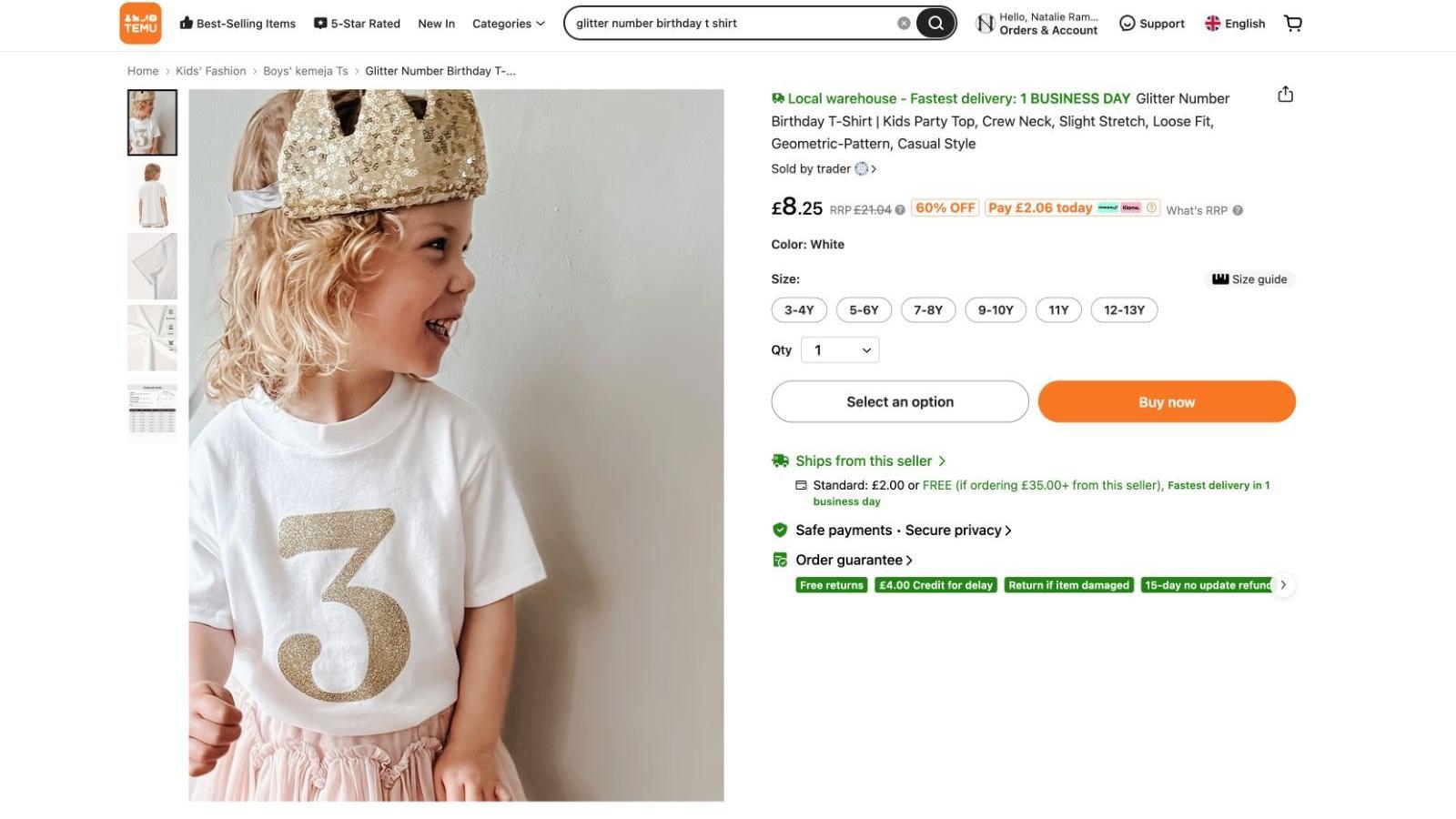
Natalie Ramsell-Lee runs every part of I Am Nat, creating cards, prints, and personalized children’s clothing while handling printing, photography, marketing, and shipping herself. That is the reality hidden behind the tidy phrase “small business”: one person doing the work of an entire company.
Her experience became especially disturbing when unauthorized sellers reportedly used not only her designs but a photograph of her own daughter to market copies. Supporting the original here means respecting both authorship and the boundary between a family image and a sales asset.
18. Klaudia Burzynska — Things You Really Like

Klaudia Burzynska built Things You Really Like around hand-drawn graphic clothing designed in Australia. Her oversized tees and sweatshirts combine the ease of everyday clothes with illustration that is playful, romantic, western, beachy, or slightly mischievous.
Burzynska says she has found so many duplicated designs and copied marketing photographs on fast-fashion sites that she eventually lost count. Her official shop is therefore more than a retail link—it is the clearest way to connect the designs back to the artist who drew and developed them.
19. Emily Gradon — Tribe Tropical

Emily Gradon’s Tribe Tropical makes bright, practical sun-protective swimwear for children and families. Her Australian-inspired prints bring together birds, plants, wildlife, color, and UPF50+ function—the art is not merely placed on a product; it is part of a carefully considered garment system.
Gradon has reported finding remarkably similar versions online in which small details were altered while much of the original composition remained recognizable. Shopping the source supports both the artwork and the functional design work behind the finished swimwear.
20. Jenny Urquhart

Jenny Urquhart creates bright, layered paintings and prints inspired by Bristol, the surrounding landscape, and the everyday life of a place. City landmarks, rivers, boats, balloons, wildlife, and recycled collage elements meet in images that feel immediately local without becoming conventional souvenirs.
Urquhart discovered her artwork reproduced across numerous marketplace products without permission. Her official shop offers limited-edition prints, originals, gifts, and bespoke work—along with the name and story that unauthorized listings remove.
21. Em Royston — Chasing Threads

Em Royston created Chasing Threads around a lovely participatory idea: travel products that become more personal as their owners physically sew journeys into maps, passport covers, tags, bags, and keepsakes. The customer does not just own the object; they continue making it.
A similar stitchable passport-cover concept later appeared through a major retailer and was ultimately withdrawn. Chasing Threads has continued expanding the premise into thoughtful embroidery kits for travel, nature, home, and memory-making.
22. Dina Baxevanakis — Shop Velanidi

Toronto artist Dina Baxevanakis turns beloved foods and everyday objects into joyful polymer-clay jewelry. Her miniature produce-bag pieces are especially ingenious: individually sculpted and painted fruits or vegetables held in hand-stitched recycled mesh. The orange-bag earrings went viral on TikTok early in the shop’s life.
After discussions about a possible wholesale relationship with Urban Outfitters ended, Baxevanakis later found the retailer selling a keychain she felt bore an alarming resemblance to her produce-bag design. The original remains materially specific, labor-intensive, and connected to the artist who devised it.
23. Luci Wilden — Knots & Vibes

Self-taught crochet designer Luci Wilden founded Knots & Vibes as a handmade label inspired by Caribbean and dancehall culture. Her pieces celebrate the unmistakable evidence of the hand: color changes, edging, rows, fit, and many hours of skilled work that cannot be replicated by a true crochet machine.
Wilden said Fashion Nova reproduced her “Skin Out” dress down to highly specific construction details. The case also exposed the labor question hidden inside a very cheap crochet garment: if it must be made by hand, somebody’s time is being radically undervalued.
Follow Knots & Vibes and Luci Wilden’s work →
Read the reported story →
24. Zoë Lea — Unempire
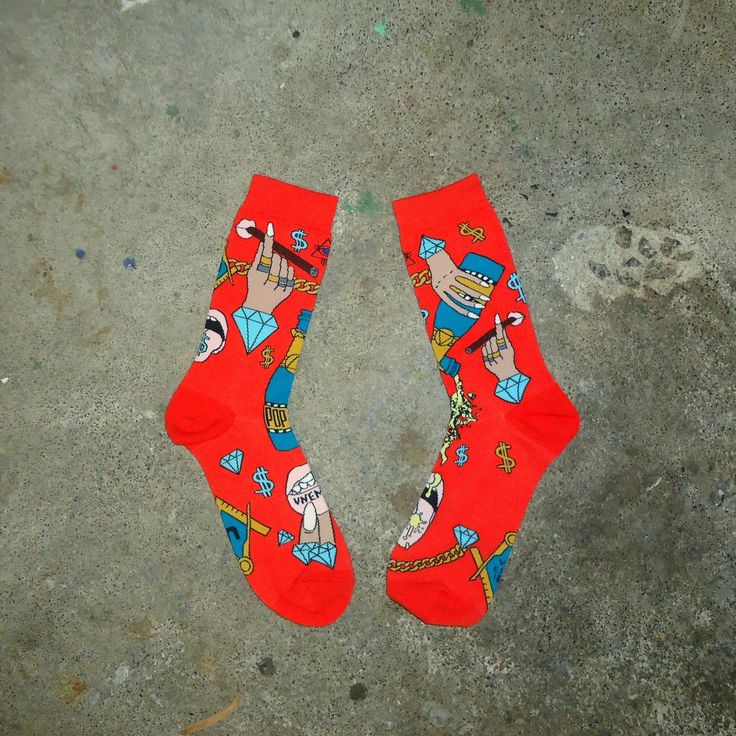
Melbourne designer Zoë Lea built Unempire as a sole trader and a declaration of creative independence. Her colorful socks, clothing, and accessories transformed oddball drawings, food, humor, and personal taste into wearable graphics—designed by a person rather than by committee.
Lea reported discovering her designs reproduced by overseas wholesalers and sought legal guidance about how an individual creator could protect original work promoted online. Unempire’s former storefront is no longer an active shopping destination, so the credited Arts Law case study is the safest place to see the work without misdirecting readers to an unrelated seller.
25. Justine Gilbuena

Queens-based Filipina illustrator Justine Gilbuena has created illustrated stationery, pins, patches, charms, and gifts since 2016. Her cozy, curious characters draw from books, films, family, plants, old objects, craft traditions, and her cat Peach; the result feels personal even when the artwork is only an inch wide.
Gilbuena maintains a counterfeit-reporting page documenting enamel pin and patch designs that repeatedly appear on unauthorized marketplace listings. She remains a one-person indie seller, now using a storefront that gives her more control over her work and even offers protection against unwanted AI crawling.
Shop Justine Gilbuena →
Read her counterfeit report and learn how to identify authorized work →
Why buying the original matters
A cheap copy and an artist-made original may look similar in a thumbnail. They are not the same thing.
The price of independent artwork pays for the hours spent developing an idea before anyone knew whether people would care. It pays for prototypes that failed, wasted materials, equipment, packaging, photography, website fees, mistakes, taxes, and—eventually, hopefully—the artist’s time.
When an unusual idea becomes popular, the person who invented it is often the least equipped to flood Google, Amazon, TikTok, or Instagram with hundreds of competing listings. That is why finding the original matters.
If you are shopping for an anxiety bookshelf, a unique gift for a book lover, a handmade art gift, a viral art piece, or an independent-artist gift, take an extra minute and look for the creator. Sometimes there is a real person behind the thing you have seen copied a thousand times.
In the case of the anxiety bookshelf, hi. It is me. I am still here making them.
— Scott Caz, artist and creator of Shake-A-Shelf
Looking for the original shakable bookshelf?
Explore Scott Caz’s handmade Shake-A-Shelf collection, or use the gift guide to choose the right size for a reader, collector, teacher, or home library.